
From Tylenol to Opium

Korea version | 한국말 버젼
살면서 가끔 이런 생각을 한다.
만약 이 세상에 타이레놀이 없다면, 나는 아이를 어떻게 키웠을까, 끼울까?
열이 나고, 밤새 힘들었던 순간들. 부모라면 누구나 타이레놀의 경이에 의지해 본 경험이 있을 것이다.

우리는 익숙하게 타이레놀을 사용하지만, 타이레놀의 역사는 언제 시작된 것일까?

타이레놀의 긴 역사
많은 사람들이 타이레놀을 현대 의약품이라고 생각하지만, 그 역사는 생각보다 길다.
1955년 미국 McNeil Laboratories는 Tylenol이라는 이름으로 어린이용 해열제를 출시했다. 이후 1959년 Johnson & Johnson이 회사를 인수하면서 타이레놀은 미국 전역으로 보급되었고, 오늘날 가장 널리 사용되는 진통·해열제 중 하나가 되었다. 하지만 아세트아미노펜 자체는 훨씬 오래전인 1878년 미국 화학자 Harmon Northrop Morse에 의해 처음 합성되었다.
1890년대부터 진통과 해열 목적으로 사용되기 시작했지만, 당시에는 이미 의학계를 지배하고 있던 더 강력한 약물이 있었다. 바로 아편(Opium)이다.

인류와 함께한 진통제, 아편
아편은 인류가 수천 년 동안 사용해 온 천연 진통제이자 만병통치약이었다.
양귀비에서 얻어지는 이 물질은 통증을 줄이는 놀라운 효과를 가지고 있다.하지만 문제는 진통 효과만큼이나 강력한 의존성 중독성이다.

19세기 초 독일의 젊은 화학 견습생 Friedrich Sertürner는 아편 속에서 가장 강력한 활성 성분을 분리하는 데 성공한다. 그는 이 물질에 꿈의 신 Morpheus의 이름을 따서 Morphine이라는 이름을 붙였다. 당시 그는 자신에게 직접 약물을 투여하며 실험했고, 훗날 이 물질이 위험할 수 있다는 강력한 경고를 남긴다. 그러나 의학계는 모르핀의 강력한 진통 효과에 매료되었다.
1827년 Merck가 대량생산을 시작하면서 모르핀은 전 세계 의료 현장으로 빠르게 퍼졌다.

더 강한 약을 향한 욕망
1853년 스코틀랜드 의사 Alexander Wood는 주사기를 이용해 모르핀을 직접 체내에 주입하면 더 적은 양으로 효과를 낼 수 있다고 생각했다. 그 결과 모르핀 주사는 빠르게 확산되었다. 그 첫번째 약물과다 복용의 희생량은 Wood의 부인이었다.

당시 의사들은 더 강력하면서도 중독성이 적은 진통제를 찾았다. 그리고 그 과정에서 탄생한 것이 Heroin (acetylated morphine)이었다. 1898년 Bayer는 모르핀을 화학적으로 변형한 약물을 Heroin이라는 이름으로 판매하기 시작했다. 그 당신 관련 연구자들은 이 약물이 모르핀보다 안전하고 중독성이 적을 것이라는 성급한 결론을 내렸다. 하지만 그것은 치명적인 오판이었다. 헤로인은 더 빠르게 뇌에 도달했고, 더 강한 쾌감과 의존성을 만들었다. 20세기 초가 되자 의사들과 연구자들은 헤로인의 위험성을 인식하기 시작했고, 미국은 1924년 Heroin Act를 통해 헤로인의 제조와 판매를 금지한다.

Natural은 Safe를 의미하지 않는다
흥미로운 점은 모르핀, 헤로인, 그리고 현대의 오피오이드 진통제들이 모두 자연에서 시작되었다는 사실이다.
양귀비는 아름다운 꽃이다. 어떤 사람은 꽃이 아름답다고 말하고, 어떤 사람은 향기가 좋다고 말한다. 하지만 그 아름다운 꽃은 동시에 인류 역사상 가장 강력한 진통제와 가장 심각한 약물 의존 문제를 만들어낸 출발점이다.

우리는 종종 "천연 성분"이라는 말을 들으면 안전하다고 생각하고 상업적으로 이용된다. 그러나 역사는 그렇지 않다고 말한다. 독버섯도 천연이고, 아편도 천연이다. Natural과 Safe는 결코 같은 의미가 아니다.

타이레놀에서 다시 시작된 질문
아마 그래서 합성의약품인 타이레놀이 더 흥미로운지도 모른다.
오늘날 수많은 부모들이 아이의 열을 내리기 위해 사용하는 비교적 안전한 약. 이 약은 안전하지만, 시럽을 물처럼 마시면 물론 안 된다. 간에 치명적인 해로움을 끼칠 수 있다.
100년 넘게 사용되어 왔지만 아직도 작용기전이 완전히 밝혀지지 않은 약 (아무래도 열을 낮춘다는 것 자체가 면역작용을 통제하고, 그 결과가 우회적으로 아픔을 통제할 것같다).
그리고 무엇보다 아편이나 모르핀과는 전혀 다른 길을 걸어온 진통제.

진통제의 역사를 돌아보면, 그것은 단순한 의학의 발전사가 아니다.

인간의 고통을 줄이려는 노력과 과학적 호기심, 때로는 성급한 결론, 그리고 상업적 이해관계가 끊임없이 교차하고 있는 역사이다.

타이레놀에서 시작된 오늘의 글은… 야산의 양귀비 꽃 (지금 이시대에는 야산에 양귀비 꽃은 없겠지만..)으로 이어졌다. 난 실재로 양귀비 꽃에 대해 초등학교 수업 때 들은 적은 있어도 본 적은 없다.

Sometimes I find myself wondering: if Tylenol had never existed, how would I have raised my children?

The fevers, the countless nights spent comforting a restless child who couldn’t sleep. Almost every parent has probably relied on Tylenol at some point.

We use Tylenol so routinely today that we rarely stop to think about it. But when did the history of pain relief actually begin?

The Long History of Tylenol

Many people think of Tylenol as a modern medicine, but its history is much longer than most realize.

In 1955, McNeil Laboratories introduced a children’s fever reducer under the brand name Tylenol. After Johnson & Johnson acquired the company in 1959, Tylenol became widely available across the United States and eventually grew into one of the most commonly used pain relievers and fever reducers in the world.

Acetaminophen itself, however, dates back much further. It was first synthesized in 1878 by the American🇺🇸 chemist Harmon Northrop Morse. By the 1890s, it was already being used to relieve pain and reduce fever. Yet at the time, medicine was dominated by a much more powerful substance. That substance was opium.

Opium: The Painkiller That Accompanied Human History

Opium is a natural pain reliever that humans have used for thousands of years.

Derived from the opium poppy, it possesses remarkable pain-relieving properties. The problem, however, is that its power to relieve pain is matched by its ability to create dependence.

In the early nineteenth century, a young German🇩🇪 chemical apprentice named Friedrich Sertürner succeeded in isolating the most potent active ingredient found in opium. He named the substance Morphine after Morpheus, the Greek god of dreams.

Like many early scientists, Sertürner experimented on himself. He administered the substance to his own body and later warned that it could be dangerous. Nevertheless, the medical community was captivated by morphine’s extraordinary ability to relieve pain.

When Merck began mass-producing morphine in 1827, it rapidly spread throughout medical practice around the world.

The Desire for a Stronger Drug

In 1853, the Scottish🏴󠁧󠁢󠁳󠁣󠁴󠁿 physician Alexander Wood believed that injecting morphine directly into the body would allow doctors to achieve the same effects with smaller doses. As a result, injectable morphine quickly gained popularity and The first victim of the injected morphine was Wood’s wife.

At the same time, physicians continued searching for a painkiller that was even more effective while being less addictive.

Out of that research came heroin, acetylated morphine.

In 1898, Bayer began marketing a chemically modified form of morphine under the name Heroin.

Early researchers hoped that this new drug would be safer and less addictive than morphine. It was a devastating miscalculation.

Heroin reached the brain more rapidly, produced stronger feelings of euphoria, and ultimately proved even more addictive. By the early twentieth century, doctors and researchers had begun recognizing its dangers. In 1924, the United States passed the Heroin Act, effectively banning the manufacture and sale of heroin.

Natural Does Not Mean Safe

One of the most interesting aspects of this story is that morphine, heroin, and modern opioid painkillers all originated from nature.

The poppy is a beautiful flower. Some people admire its appearance. Others appreciate its fragrance. Yet this beautiful flower also became the starting point for some of the most powerful pain-relieving drugs and some of the most devastating addiction problems in human history.

We often assume that something described as “natural” must also be safe. History tells a different story.

Poisonous mushrooms are natural. Opium is natural. Natural and safe are not the same thing.

A Question That Returns to Tylenol

Perhaps that is one reason why Tylenol, a synthetic drug, remains so fascinating.

It is the medicine countless parents use to bring down a child’s fever. Of course, while this medication is safe, you certainly must not drink the syrup as if it were water. Doing so could cause fatal harm to your liver.

It has been used for well over a century, yet its precise mechanism of action is still not completely understood. (It seems that lowering a fever essentially regulates the immune response, and that this, in turn, indirectly helps control the pain.)

Most importantly, it followed a path very different from that of opium or morphine🪜.

When we look back at the history of painkillers, we are looking at more than the history of medicine.

It is also the story of humanity’s effort to reduce suffering, a story shaped by scientific curiosity, occasional premature conclusions, and powerful commercial interests 🤑.

Today’s reflections began with Tylenol, but somehow led me all the way to the poppy flower 🌺.

Growing up, I heard about poppies in elementary school, but I have never actually seen one in person. Perhaps wild opium poppies once existed in fields and hillsides somewhere in Korea, but certainly not today.
AAV Serotypes for Intravenous Gene Therapy (1)

Today, I wrote a bit about AAV serotypes and doses, and target organs, inspired after reading Reporter’s notebook 

CAP-002 case

clinical fatalities and the limits of IV-delivery

A child died in Capsida’s CAP-002 trial in September 2025,  the first patient treated with an engineered, IV-administered, BBB-crossing AAV for STXBP1 encephalopathy. 

Capsida Biotherapeutics voluntarily halted the SYNRGY trial (NCT06983158) after the first treated paediatric patient with developmental and epileptic encephalopathy (DEE) caused by STXBP1 mutations, died. The cause of death remains under investigation. CAP-002 is notable because its capsid was specifically engineered to cross the blood-brain barrier (BBB) via IV infusion, without intracranial injection. Regulators did not enforce the hold. However, Capsida self-imposed it while searching for the root cause.👍


Now, we should check some adverse events linked to IV AAVs. 

Reported patient deaths linked to IV AAV by serotype
SerotypeDrug / companyIndicationCause of deathStatus
AAV9Zolgensma (Novartis)Spinal muscular atrophy (SMA)Acute liver failure (ALF)2 deaths, 2022 (Zhang et al.)
AAV9Multiple high-dose trialsVarious CNS / neuromuscularThrombotic microangiopathy (TMA)Multiple cases (Zhang et al.)
AAV9 (NGN-40)NeurogeneRett syndromeRare hyperinflammatory syndrome1 deathPhase I/II (Joshua Silverwood)
AAV9-based (RP-A501)Rocket PharmaceuticalsDanon diseaseFatal acute systemic infection1 death, Phase II (Annabel Kartal Allen)
AAV8ASPIRO trial (AT132)X-linked myotubular myopathy (XLMM)Cholestatic liver failure4 deathsPhase I/II (Shieh et al.)
AAVrh74Elevidys (Sarepta)Duchenne muscular dystrophyAcute liver failure3 deaths (Annabel Kartal Allen)
Engineered AAV (CAP-002)Capsida BiotherapeuticsSTXBP1 encephalopathyUnknown — under investigation1 death, Sept 2025 (Annabel Kartal Allen)

What the AAV5 story teaches us

Now, we have to think about AAV5’s successful story. A decade of relative safety, why?

In August 2022, Europe approved the world’s first AAV5-based gene therapy for severe hemophilia A – Roctavian (valoctocogene roxaparvovec), developed by BioMarin. The FDA followed in June 2023. Since Phase 1/2 trials began in the mid-2010s, hundreds of patients have received a single IV infusion of AAV5, and to date, no patient deaths have been directly attributed to the therapy. In a field where other AAV programs have seen multiple fatalities, this is a notable record.

Hemophilia A is caused by a missing clotting protein (Factor VIII) that is normally made in the liver. So the therapeutic goal of Roctavian is simply to deliver a working gene to liver cells  and the liver happens to be exactly where AAV naturally travels after an IV injection. The vector does not need to fight its way past any biological barriers. It goes where it was always going to go.

So what makes AAV5 different? The answer is not the stereotype itself [I think, and some others would agree with me although it is some part of stories].  


The dose matters. 

Because the liver is the natural destination for IV-delivered AAV5-based gene therapies, a relatively modest dose is enough to achieve a therapeutic effect in hemophilia. Roctavian is given at 4–6 × 10¹³ vg/kg, roughly half to a third of the doses used in CNS or muscle-targeting programs. That difference in dose is, in large part, the difference between a therapy with an acceptable safety profile and one that has killed patients.

Why does the target organ change everything?

Think of it this way. When you give AAV through an IV, the vector enters the bloodstream and travels throughout the body. The liver acts like a sponge as always. It absorbs a large fraction of whatever AAV is circulating, regardless of where the doctor wants it to go. This is simply how our body works.

For hemophilia, this is actually favorable: you want the gene delivered to liver cells, and the liver is already soaking it up. A dose of 4–6 × 10¹³ vg/kg is enough to transduce enough liver cells to restore Factor VIII production. The liver handles this dose without triggering a dangerous immune response in most patients.

But for diseases of the brain or muscle, the liver is an obstacle, not a destination. To get enough AAV past the blood-brain barrier or into muscle tissue, you have to flood the entire system with a much larger dose, often 2 to 10 times higher. The liver still absorbs most of it, now overwhelmed by vectors it was never meant to receive in such quantities. The result, in the worst cases, is acute liver failure, immune storms, or vascular damage.

The safety record of AAV5 in hemophilia is genuinely encouraging, but it would be a mistake to conclude that AAV5 is simply a “safe” serotype. The real lesson is more specific and more important: IV gene therapy works best and most safely when the target organ is the liver. AAV5 has never been tested at the doses that CNS or muscle delivery would require, so we simply do not know how it would perform in that context.

What the full clinical picture tells us is that the moment gene therapy asks AAV to travel beyond the liver via IV, the dose requirements climb into a range where serious toxicity and death become real risks regardless of which serotype is used. AAV8, AAV9, and AAVrh74 have all produced fatal outcomes in this higher dose regime. Engineered capsids designed to cross the blood-brain barrier represent the field’s attempt to break this trade-off, but as the September 2025 death in Capsida’s trial shows, even the most advanced designed next-generation vectors carry unknowns that only human trials can reveal [The dose not disclosed yet]

A lower dose of IV gene therapy targeting other organs might be successful, which underscores the need for more efficient AAV engineering or local injection to resolve these matters.


Reference

Annabel Kartal Allen. “Child Dies in Phase I Capsida Gene Therapy Trial.” Child Dies in Phase I Capsida Gene Therapy Trial, Clinicaltrialsarena, 12 Sept. 2025″

Joshua Silverwood. “Patient Dies in Neurogene’s Phase I/II Rett Syndrome Trial.” Patient Dies in Neurogene’s Phase I/II Rett Syndrome Trial, Clinicaltrialsarena, 22 Nov. 2024″

Shieh, Perry B., et al. “Safety and Efficacy of Gene Replacement Therapy for X-Linked Myotubular Myopathy (ASPIRO): A Multinational, Open-Label, Dose-Escalation Trial.” The Lancet Neurology, vol. 22, no. 12, Dec. 2023, pp. 1125–39. DOI.org (Crossref)

Zhang, Wenwen, et al. “Comprehensive Analysis of Adverse Events Associated with Onasemnogene Abeparvovec (Zolgensma) in Spinal Muscular Atrophy Patients: Insights from FAERS Database.” Frontiers in Pharmacology, vol. 15, Jan. 2025, p. 1475884.

Ubiquinol vs. N-acetylcystein (NAC)

How and where ubiquinol is made:
Even when a supplement label says “Made in the USA,” the active ingredient is usually imported from Japan, primarily from Kaneka Corporation, and U.S. companies typically handle the encapsulation and packaging.
Ubiquinol is produced through microbial fermentation using specialized yeast strains. These microbes generate CoQ10, which is then extracted and purified from the culture broth. After purification, the CoQ10 (usually in the ubiquinone form) must be reduced to ubiquinol in a tightly controlled, oxygen-free environment. Because ubiquinol oxidizes easily, it is then encapsulated with stabilizers to protect it and maintain potency.

How and where NAC is made:
L-cystein is produced by formation using bacteria or derived from plant sources, and reacted with acetic anhydride, adding an acetyl group. The US does not make large amounts of raw NAC, mostly imported from China, India, Italy and Japan.

If you should choose one between ubiqunol and NAC for your supplements. Which is yours?
It depends on your purpose, but we could think:
CoQ10/Ubiqunol supports cellular energy production (mitochondria) and protects membranes from oxidative damage.
Best for people with heart issue, statin therapy (could reduce CoQ10), aging-related energy decline.
Ubiqunol is more easily absorbed than regular CoQ10, especially in older adults, because it is active form.

NAC is a precursor to glutathione, the body’s master antioxidant. It helps detoxification and supports liver and lung health.
Aging people may use ubiqunol, and people exposed to environmental toxins, heavy excercise, or heavy duty could take NAC.

Let’s move further questions about the direct injection method of NAC or Ubiqunol, and to the brain for brain health? You might be interested in it.
You may already know the oral medication is really limited to the cellular delivery.
CoQ10|ubiquinol is lipid-soluble, and reach brain tissue, although very hard to reach the heart or liver. NAC is a water-soluble small molecule, and although it is still hard to pass BBB, but NAC reaches better into the brain, heart and liver than ubiqunol.

Which choice could be better economically?
Comparing daily doses and prices between NAC (600-12,00mg/day, cost ~$0.10-$0.30 per day) and Ubiquinol (100-200 mg/day, ~$1.00-$2.00 per day) indicates, NAC could be an economic choice. NAC has no patents, and low raw material cost, and easy to synthesized.

Taking NAC chronically is generally considered safe for most people, but you may check with your doctor.

May you hear about injectable NAC as well?
Who/where injectable NAC is Manufactured?

  • Cumberland Pharmaceuticals Inc (Tenesseee, USA)
  • Glenmark Pharmaceuticals (NC, USA)
  • Fresenius Kabi USA LLC
  • Exela Pharma Science LLC
  • Sagent Pharmaceuticals Inc
  • Eugenia Pharma
  • Somerset Therapeutics LLC
  • Zambon
  • Taj Pharmaceuticals, India
  • Hanwha Pharma, Korea
  • GC Welbeing, Korea
  • Myungin Pharma, Korea
  • Aju Pharm, Korea


Who is currently Receiving injectable NAC or studied for it?
acetaminophen overdose as you know,
Acute liver failure – non-acetaminophen
Alcoholic hepatitis
Contrast-induced nephropathy
In Korea, injectable acetylcysteine is used for acute bronchitis as well as acetaminophen overdose.
The packing sizes are different from the package in the USA and other countries for it.
Neurodegenerative diseases such as Parkinson’s, Alzheimer’s, Gaucher diseases and Multiple sclerosis are under the clinical trials currently.
Dendrimer-NAC is also under clinical trial in aged macular degeneration.

Foods to increase serotonin in our body

Some people (Depression, Insomnia, Fibromyalgia, Migraine and other headaches, severe premenstrual syndrome etc) take tryptophan supplements but maybe intake foods to increase serotonin in our body!!!

Serotonin is a neurotransmitter that's important for mood, sleep regulation, and appetite

Foods that contain tryptophan, vitamin B6, vitamin B12, and folate can help body produce serotonin: 
Tryptophan-rich foods
Chicken, turkey, fish, beef, pork, nuts, seeds, tofu, cheese, eggs, oats, beans, lentils, spinach, dates, bananas, and dark chocolate 
How much tryptophan per day?Tryptophan is found in both plant and animal proteins, although animal proteins tend to have more and it's easier for your body to break it down and use it. Animal-based proteins like meat, poultry, fish, eggs, cheese, and yogurt are called complete proteins because they have all nine of the essential amino acids, including tryptophan. Some plant-based proteins like quinoa, soy, and buckwheat (groats) are also complete proteins that have tryptophan.Only small amounts are necessary for healthy nutrition in most people. In the U.S., the average person takes in about 826 milligrams a day of tryptophan, while the estimated average requirement (EAR) for most adults is 4-5 milligrams per kilogram of body weight per day. For a 70-kilogram (154-pound) adult, that's about 280-350 milligrams a day. The EAR for infants and children up to about 2 years old is 13-17 milligrams per kilogram of body weight per day.


Legumes and tofu
Tofu, 1/2 cup, 296 milligrams
Soybeans, 1 cup, 270 milligrams
Fish and seafood
Tilapia, 3 ounces, 231 milligrams
Tuna (canned white), 3 ounces, 252 milligrams
Snapper, 3 ounces, 250 milligrams
Salmon (farmed, Atlantic), 3 ounces, 211 milligrams
Lobster, 3 ounces, 248 milligrams
Crab (blue), 3 ounces, 192 milligrams
Oysters (Pacific), 3 ounces, 90 milligrams
Meat and poultry
Pork roast, 3 ounces, 238 milligrams
Turkey (light meat), 3 ounces, 214 milligrams
Beef roast, 3 ounces, 229 milligrams
Chicken breast, 3 ounces, 77 milligrams
Dairy and eggs
2% milk, 1 cup, 120 milligrams
Mozzarella, 1 ounce, 146 milligrams
Whole milk, 1 cup, 107 milligrams
Cheddar cheese, 1 ounce, 90 milligrams
Yogurt (low fat), 8 ounce, 68 milligrams
Egg (whole), 1 large, 83 milligrams
Grains
Quinoa, 1 cup, 284 milligrams
Oats, 1 cup, 147 milligrams
Buckwheat (groats), 1 cup, 82 milligrams
Bread (wheat), 1 slice, 19 milligrams
Bread (white), 1 slice, 22 milligrams
Nuts and seeds
Black walnuts, 1 ounce, 90 milligrams
Cashews, 1 ounce, 81 milligrams
Pistachios, 1 ounce, 71 milligrams
Peanuts, 1 ounce,  65 milligrams
Almonds, 1 ounce, 60 milligrams
Pumpkin seeds, 1 ounce, 163 milligrams
Chia seeds, 1 ounce, 124 milligrams
Flax seeds, 1 tablespoon, 31 milligrams
Vegetables and fruits
Potatoes (white), 4 ounces, 29 milligrams
String beans, 3 ounces, 17 milligrams
Prunes, 1/4 cup, 12 milligrams
Banana, 1 medium, 11 milligrams
Apple, 1 medium, 2 milligrams
Sweets
Semisweet chocolate, 1 ounce, 18 milligrams
Sweet chocolate, 1 ounce, 16 milligrams
Vitamin B6-rich foods


Chicken, fish, pork, eggs, bananas, non-citrus fruits, and starchy vegetables 

Complex carbohydrates


Fruits, vegetables, whole grain bread and pasta, legumes, oatmeal, and quinoa 

Other foods that can help increase serotonin include
Warm milk: Contains tryptophan, which may help with sleep 


Cashews and walnuts: Contain tryptophan, fiber, healthy fats, magnesium, zinc, and vitamin B6 


Sunflower, pumpkin, sesame, flax, and chia seeds: Contain omega 3 and tryptophan 


Dark chocolate: Contains magnesium, which can help with stress 


Salmon: Contains tryptophan, vitamin D, and omega-3 fatty acids 


Sweet potatoes: Contain vitamin C and vitamin B6 


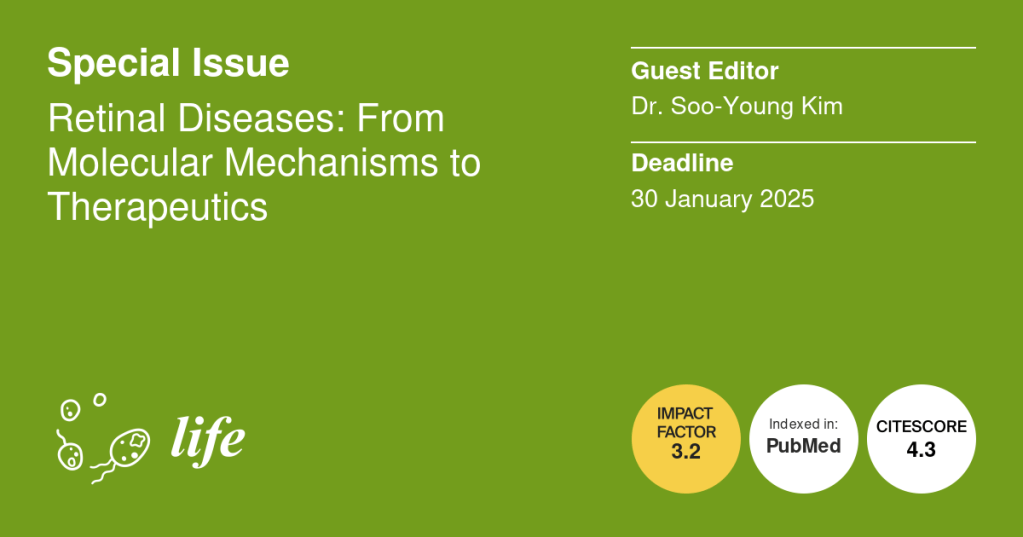
Special Issue Guest Editer, Life, MDPI

I have served as a guest editor at Life (ISSN 2075-1729) since my workplace shut down and I lost my job. My workplace, USA Research and Development Center of Neurophth Therapeutics Inc., had decided to close our team when they started aggressively the clinical trial and just before obtaining the Series-C investment. I believe that our early development team actively studied and supported the company’s Business portfolio until our center closed. We, our team built up one center, and we observed as well their closing. Building something up took more time than shutting it down. The closing was quite quicker than I expected.

I met MDPI when I published a review paper, Twenty Years of Anti-Vascular Endothelial Growh Factor Therapeutics in Neovascular Age-Related Macular Degeneration Treatment at the journal of International Journal of Molecular Sciences. I started studying age-related macular degeneration in 2011, when I examined the retina of an aryl hydrocarbon receptor (AhR) knockout. Maybe any molecules in our body will have two sides of the balance– good and bad. Even vitamins and minerals are toxic when they are deficient and plenty. Especially, AhR was very interesting because it is one of important molecules for the balance of the immune system. I studied immunology for my master’s, because I thought that all diseases including brain and retina, had no exception from the immune system, after working as a BS research associate at the section of Neurodegenerative diseases, Korea National Institutes of Health, During mater degree program, I especially studied about NKT and non-classical major histocompatibility complex (MHC) molecule in the autoimmune diseases using molecular genetic engineering, animal and cell experiments. After that, I studied several adhesion molecules during brain development during my Ph.D program. My first publication of the first author was spatiotemporal expression patterns of non-clusteted protocadherin family members in the developing rat brain. I studied brain anatomy as well as brain primary neuronal culture with this project. When I came into the USA, I started basic research and translational studies using cells, engineered chemicals, nano-packed small molecules, peptides, antibodies, exosomes, and adeno-associated viruses in retina degenerating animal moldels. Sometimes, I developed new animal models and new analysis methods to test the candidate drugs. Some of them have been published. Many of them have not be published because some did not exhibit good enough efficiency, and some did show too good efficiency to be published ^.^. Actually, good efficiency is a really small piece and small step for the development in the view of company. Sometimes candidate drugs had enough good efficiency but the manufacturing was a hurdle, and some expected fancy drugs had toxicity, killing disease model animals. Synthetic nucleotide engineering was facinating to me, because somehow synthetic nucleotide engineering easily generates antibodies, antibody fragments, AAVs, fusion proteins, and any proteins, and nucleotide sequences could be all changed, and optimized to increase the yields of the proteins and still reduce the immune activation, which nobody knows the detailed profiles before testing them. Research and Development is a really initial step for drug development, but the tiny, tiny things of the early stage development could cause dramatic misfortune and a tragedy in patients’ safety.

To me, taking a role as a guest editor is an honor, and a chance to continue reading and following the field and learn a little other countries — China, Europe, and Eastern Asia, as well as Korea, where I was born, and the USA, where I’m. All the research situations were not the same, really based on the grant money, medical insurance, and the community acceptance based on different countries. While serving Life special edition as a guest editor, what I have learned so far is that we science communities should encourage us to share what we are studying in different countries, giving chances to collaborate and know and understand each other’s scientific environment and situation, and further science should give benefit, fun, hope, and new knowledge to the public.

One thing I have worried in the current science communities is…..

We, even our kids, like Youtube channels, and they check the number of their followers. This kind of behavior could be harmful to the basic scientific world. We scientists pursue grant trends, and check journal impact factors for their survival, but we scientists should remember their own questions, purpose, and fun. We adults, the senior old generation, should allow and help our young generation to pursue their own scientific questions and have trials and errors in our educational system, not only increasing publication records. I worry about our severely competitive academic world where the young generation has no chance for them to pursue their own questions, and not allow enough failure and early lost academic fun in pursuing their own questions.

In the end, I believe, that journals could or should help our science communities to make meaningful research, and promote sharing.

I accepted my role of a guest editor, Life, when I read the Aim and Scope of Life. At least I felt that Life is trying to serve a broad science and public communities, and communities’ questions, and scientific funs. However, I wondered why they decided on a similar journal name to elife: T.T.

If you want to visit Life, click here

If you want to vist the special issue of Retinal Diseases: From Molecular Mechanisms to Therapeutics, click here.

Thank you for reading!!

Vital signs

Today, April 24 2024 for the first time in my life,

I observed vital signs out of normal range: 158/90 mmHg, SpO2 83%.

So, I checked once more the normal ranges of vital signs.

Temperature97.6-99.6 °F
Pulse60-100 beats per minute
Respiration12-20 breaths per minute
Blood Pressure120/80 mmHg; Systolic 90-140, diastolic 60-90
Oxygen level95% to 100%
Normal Ranges for Adult Vital Signs (from CNA book)

I also checked blood oxygen levels by age using a pulse oximetry chart

Blood Oxygen Levels by Age using Pulse Oximetry Chart

ConditionsBy AgeSpO2
NormalAdults & Children95% to 100%
Normal>70 years oldabout 95%
Brain is affectedAdults & Children80% to 85%
CyanosisAdults & ChildrenBelow 67%
from MedicineNet

Body Temperature

Near death

Long ago, in the 1980s, when we visited community pediatric centers, the first thing for a nurse to do was to put a thermometer under armpit (axillary). Also, sometimes, nurses measured my body temperature from under my tongue. I do not know exactly when we started using forehead scanners at home, but when my first daughter was born, I obtained a scanner type thermometer, and we are still using it. In Korea, we use the measure unit °C, instead of °F in the USA. The average normal body temperature is 36 °C. When the temporal forehead scanner indicates over 38 °C, I use acetaminophen (Tylenol) and ibuprofen (usually Motrin) at over 8-hour intervals. My family members respond well to Tylenol, but we use two different medicines alternately because the liver might need more time to recover. I also like watery handkerchiefs and cooling sheets (hydrogel patches, easy to get in Korea) for my kids.

Maybe you know that a high fever could damage our organs. Maybe you hear that someone becomes deaf after a high fever, or even death. One of my friends lost his voice with fever. I had been sick with high fevers (over 38 °C) when I was in the first grade of elementary school, maybe for a whole winter break. I recovered a week (or three days) before the second grade started from my deadly fever. What I remember now is that I was hospitalized for one month. I used a very big personal room with two beds. I used one bed and another bed, which mom usually occupied. I got a lot of presents from relatives and friends. I had IV injections all the time that they called Ringel. I do not know exactly what Ringel is. I thought that IV was Ringel, but maybe not really. I just guess now that Ringer IV was just helping with anti-dehydration and/or anti-inflammation agents. I also sometimes got nutrient IV because I could not eat normal foods and I could not have normal bowel movement. Fever made me eat and poop like a baby or less than an infant. I liked Cerelac (baby food power) more than any other Korean Juk (porridge). Nurses really wanted to check my poops all the time. Fever really made me hard to poop. I remember poop was like rabbit poops, maybe due to dehydration. However, my memory is not bad. Maybe I was too young to know about death. I was too busy to think of death and sickness. I enjoyed my hospitalization because I had a lot of new toys and I met a friend (a daughter from the hospital owner or related persons??, maybe a doctor’s daughter, I guess). I do not know her well except that she was a similar aged girl, because I never met her again after my release. I even missed her and the hospital because I hoped to see her again. She showed me here and there – the complexity of hospital, a long hallway, shortcuts – and even led me to the hospital rooftop (the top of four-story building). She once took some fancy bandages and syringes, and we played doctor and patient. I do not know which diseases I had. I heard doctors did not know what I had.

One day, my fever seemed to be going up, because I heard that a nurse who visited me in the morning, yelled, “Alcohol pad, high fever.” Suddenly, all the nurses and doctors came to me, and mom and dad were there together. At the moment, I could not speak out, but when an alcohol pad (a very big and orange rubber bag, if my memory is right) rubbed me, I bad-mouthed in my thought, “Who said that nurses are White Angels, They are not good”. The alcohol pad was really freezing and a pain in itself to me.

Suddenly, I felt my room whirling to me like water in a funnel, and all sounds in my room overwhelmed me, and I saw a bright light (maybe my brain works something ??); light is not a single object, just the room was full with Brightness. and I heard me shouting a Buddha’s name, “Gwansembosal”. I do not know why I shouted. Actually, shouting was a shame to me, and I was surprised with my shouting, and they (doctors and nurses) were also surprised of my shouting “Gwansembosal”. Google translator is saying that “Gwansembosal” in Korean is “Avalokitesvara Bodhisattva”. In Korea, Gwansembosal is the best of the Buddhas that I heard from my grandma. I was a kid who loved Buddha Kid story books published by Buddha temples. After my shouting or seeing Light, like a lie, my fever had gone, and 3 days later, I was released from a hospital (the hospital name was Chunchon Jail Hospital). I thought that I was unLuck because I should return to school without any absence, because I was recovered just on time. I remember when I had the first shower at home, it was a big deal to whole family members. They were all concerned and checked the bath temperature and the air temperature. When I recovered, I missed my baby food, so I teased mom and got a new baby food can, but when I got them, it was not yummy any more, even yucky. So I know that our body knows what we need sometimes automatically based on our conditions. I heard that I was lucky because my high fever did not damage any part of my body and even my mind. This might be my first Near-Death story when I was in the first grade of elementary school.

What I wanted to tell was not my fever story,…is the below!!

Measurement methodNormal temperature range
Temporal (forehead)36.6°C to 37.8°C (97.9°F to 100.1°F );
Tympanic (ear)35.8°C to 38°C (96.4°F to 100.4°F );
35.C to 37.8°C (96.3°F to 100°F );
Oral35.5°C to 37.5°C (95.9°F to 99.5°F )
Axillary (armpit)34.7°C to 37.3°C (94.5°F to 99.1°F )
Rectal36.6°C to 38°C (97.9°F to 100.4°F )
reference: Corpus ID: 3071933, Leduc et al., 2023, Medicine; baptis-health.com

Design a site like this with WordPress.com
Get started